Studying in Bonn: Beethoven’s City on the Rhine
Short answer
Bonn was West Germany’s capital from 1949 to 1990; today it is a calm student city with UN agencies and the University of Bonn, which kept its University of Excellence status in March 2026. A room in a shared flat cost €540 a month on average in 2025, and student residences house about 12 % of students.
Bonn
Bonn is the city of German post-war history and of Haribo’s little gummy bears. This calm city on the Rhine was the capital from 1949 to 1990; after reunification the capital moved to Berlin, and the government followed by 1999.
Bonn is in fact some 2,000 years old, and you see traces of that everywhere. We visited during the University of Bonn’s open days. You expect a former capital to be big and busy; what we found was quite the opposite.
About 35,000 students are enrolled in Bonn (2024/25), which makes it one of Germany’s important university towns. The largest institution is the University of Bonn (Rheinische Friedrich-Wilhelms-Universität), which kept its status as a German “University of Excellence” in March 2026.
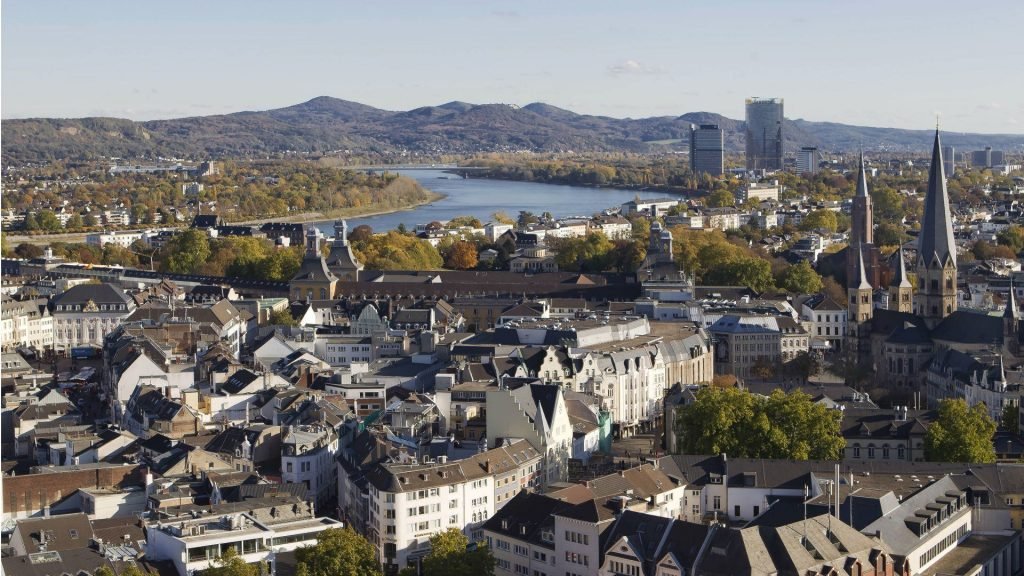
Bonn skyline
The open day took place in the university’s main building in the city centre, the former Electoral Palace. In front of it lies the Hofgarten, a large lawn that hosts many events in summer; the other campuses are spread across the city.
Despite being a former capital and home to many United Nations agencies and several federal ministries, Bonn is a quiet place. Deutsche Telekom and Deutsche Post have their headquarters here; the 163-metre Post Tower has earned the city the nickname “Bonn-hattan”. Its most famous son is Ludwig van Beethoven, celebrated every year at the Beethoven Festival. Our son loves classical music, so we did not leave without visiting the house where Beethoven was born.
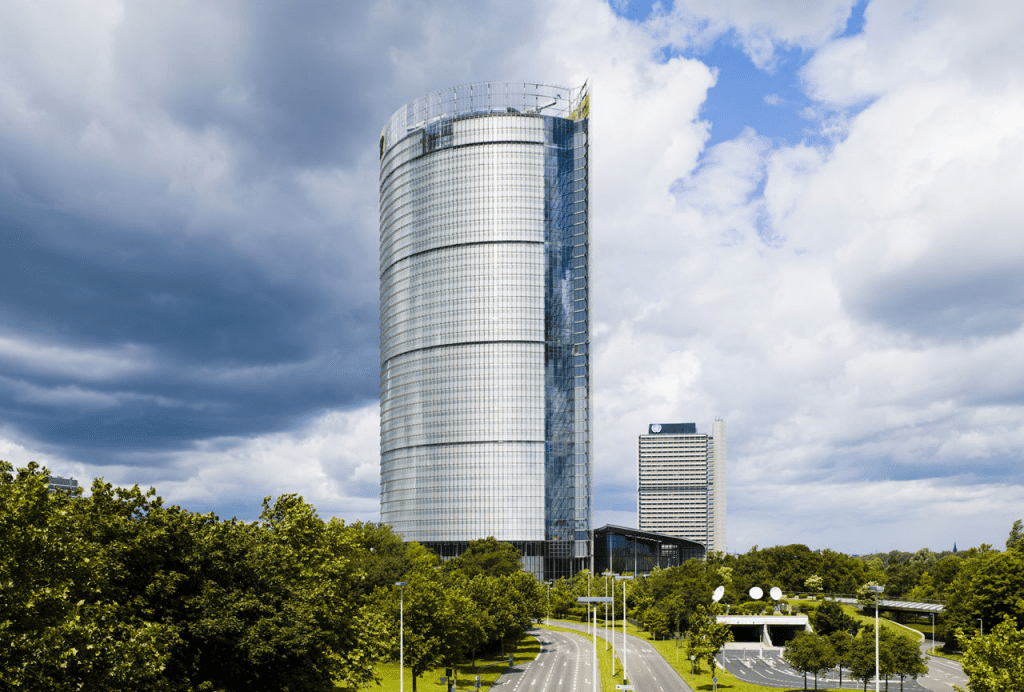
Bonn, Post Tower
The decades of embassies and diplomats left an international culture behind. Many visitors also come for the Drachenfels and for Petersberg, the hilltop hotel that hosts international conferences.
Cologne is half an hour away by train, so big-city life is close; some students even commute from there. In Bonn itself students meet in the Hofgarten and the Rheinaue park, and rowing or canoeing on the Rhine is popular at weekends.
Student life and rents in Bonn
Bonn is small, but as a former capital close to Cologne it is relatively expensive. Commuters who work in Cologne and live in Bonn also push rents up.
| Type of housing | Monthly average (2025) |
|---|---|
| Room in a shared flat (WG) | €540 |
| 30 m² student flat, warm rent | €582 |
| German average for a WG room | €505 |
Source: MLP Studentenwohnreport 2025
Bonn’s student residences offer 4,053 places in total (3,702 of them run by the Studierendenwerk), enough for about 12 % of students (1 January 2025). Waiting lists can be long, so apply early: Studierendenwerk Bonn residences
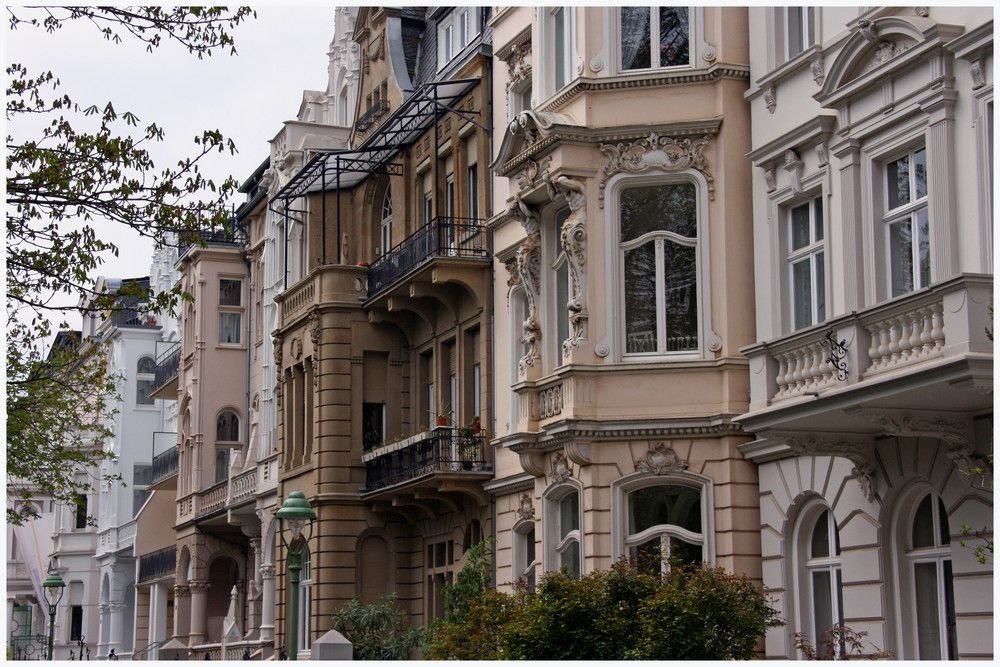
Buildings in Poppelsdorf
Poppelsdorf and the Südstadt are popular with students because many university buildings are nearby, even though rents are high. Beuel on the right bank of the Rhine and Kessenich are a little cheaper, and good train and bus links make outer districts an option too; the neighbouring town of Alfter is cheaper still.
For private residences and shared-flat ads, also check the student union site AStA Bonn.
Estimated monthly cost of living (2026)
A rough monthly budget for a student sharing a flat in this city. A flat of your own, a car or frequent travel will push it up noticeably.
| Item | Monthly | Note |
|---|---|---|
| Rent (room in a shared flat) | €540 | Average WG room, MLP 2025 |
| Food | €235 | 2021 student average €198, adjusted for price rises |
| Health insurance | €145 | Statutory student rate €141–146 (2026) |
| Transport | €38 | Deutschlandsemesterticket €226.80 per semester; usually part of the semester fee |
| Phone and internet | €35 | 2021 average €31 |
| Clothing and personal items | €55 | 2021 average €46 |
| Leisure, culture, sport | €75 | 2021 average €65 |
| Total | about €1,120 |
For the visa you must prove €11,904 a year (€992 a month); the usual way is a blocked account. If your budget is higher, family support or a student job has to cover the difference.
Sources: MLP Studentenwohnreport 2025, 22. Sozialerhebung (2021), Destatis consumer prices, Make it in Germany – proof of finances
Bonn in numbers
| Students (winter 2024/25) | 34,744 |
| Residence places (total / Studierendenwerk) | 4,053 / 3,702 |
| Share of students housed | about 12 % |
Source: Deutsches Studierendenwerk, Wohnraumstatistik 2025
What can you study in Bonn?
- Hochschulkompass: every programme at German public and state-recognised universities; choose “Bonn” as the city.
- DAAD programme search: especially for programmes taught in English.
Sources
- MLP Studentenwohnreport 2025
- Deutsches Studierendenwerk – Wohnraumstatistik 2025
- Forschung & Lehre – Exzellenzuniversitäten 2026
- Deutsches Studierendenwerk – 22. Sozialerhebung (2021)
This article contains no partner links.

In case you wonder who I am: I am a parent who walked this path with his son and who sees himself as a guide. About →